


Spay and Neuter Surgery Near You in Cleveland, Ohio
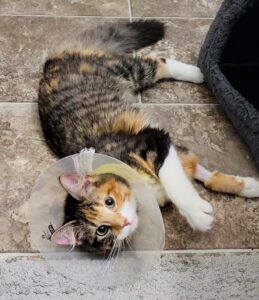 Spaying and neutering are among the most common and beneficial procedures performed at West Park Animal Hospital. These routine surgeries prevent unwanted litters and affect your pet’s long-term health.
Our caring veterinary team provides resources and comprehensive veterinary services to furry companions near you in West Park, North Olmsted, Berea, Rocky River, Lakewood, Fairview Park, Cleveland, and the surrounding Ohio areas. If you have questions about timing, the procedure itself, or what to expect afterward, our team is here to walk you through every step of the spay or neuter process.
Why Spay or Neuter Your Pet?
Spaying is the surgical removal of a female pet’s reproductive organs, while neutering refers to the removal of the testicles in male pets. Both procedures are done under general anesthesia and are considered routine surgeries.
Spaying and neutering benefit both your pets and the animal population as a whole. Millions of dogs and cats enter shelters each year due to unplanned and overbreeding. Having your pet spayed or neutered is one of the most responsible steps you can take as a pet owner. There are also health benefits.
For dogs and cats, spaying and neutering can:
- Reduce the risk of certain cancers: Spaying female pets before their first heat cycle lowers the risk of mammary cancer, which is fatal in approximately 50% of dogs and 90% of cats that are diagnosed. Neutering males eliminates the risk of testicular cancer.
- Prevent serious infection: Spaying removes the uterus and ovaries, which eliminates the risk of pyometra, a life-threatening uterine infection that is common in unspayed females.
- Reduce hormone-driven behaviors: Neutered males are less likely to roam, mark territory indoors, or show aggression toward other animals. Spayed females will no longer go into heat, which also removes those behavioral changes.
- Support a longer, healthier life: Pets that are spayed or neutered tend to have fewer reproductive health complications as they age, giving them a better quality of life over the long term.
These benefits are supported by the American Animal Hospital Association (AAHA), which accredits our veterinary facility.
When Should You Spay or Neuter Your Pet?
The right time to spay or neuter your pet depends on their size, species, and breed. There’s no single answer that fits every animal, which is why we discuss this during your kitten’s or puppy’s first wellness exam.
Our team follows these general guidelines, but we’ll always consider your pet’s health and readiness:
- Cats: Most cats can be safely spayed or neutered around five to six months of age, before their first heat cycle.
- Small and medium dogs: Smaller breeds tend to be ready for spay or neuter around six months of age, as they reach sexual maturity earlier and have fewer orthopedic concerns.
- Large and giant breed dogs: If you have a larger breed, such as a Great Dane, you may want to wait until they’re 12 to 18 months. Their growth plates close later, and early neutering can increase the risk of certain orthopedic conditions. We factor in your dog’s development before we make a recommendation.
If you’re unsure about the right time for your pet, bring them in for a wellness exam. We’ll assess where they are in their development and help you make the decision that’s best for their health.
What to Expect at West Park Animal Hospital
At West Park Animal Hospital, we want you to feel informed and confident before your pet’s procedure. Before the day of surgery, one of our veterinarians will meet with you to review your pet’s health history, explain the procedure in detail, and answer any questions. We provide information on possible side effects, expected recovery, and what to do at home afterward.
Procedure
On the day of surgery, you can expect the following:
- Pre-surgical instructions: Your pet should have no food after midnight on the day of their Our team will give you specific day-of instructions when you schedule and a reminder call a day or two before.
- Anesthesia and monitoring: Your pet will be placed under general anesthesia. Our team monitors them closely throughout to help ensure their safety and comfort.
- Laser surgery option: Many of our surgeries, including spaying and neutering, can be done using laser technology. Laser surgery reduces bleeding and minimizes swelling, which often results in less pain and a faster recovery.
- Post-surgical care: After the procedure, your pet moves to our on-site recovery unit for monitoring and pain management before they’re discharged. Most pets can go home on the same day.
Microchipping
We recommend having your pet’s microchip insertion done at the same time as their spay or neuter. A microchip is placed using a slightly larger needle than a routine injection. By placing the microchip while your pet is already under anesthesia, they won’t feel the insertion, making it quick and easy for both you and your pet. It also means you don’t need to make an additional trip to the hospital for this important form of permanent identification.
Post-Surgical Recovery
Once your pet is home, they may be tired or sore, which is normal. For the next 14 days, it is important to keep your pet calm and prevent running, jumping, rough play, and other strenuous activity. Even if your pet seems to feel great, their body needs time to heal, and restricting activity helps protect the surgical site and allows the incision to heal properly.
Your pet should also wear a cone (E-collar) or an appropriate surgical recovery suit for the full 14 days to prevent licking, chewing, or pulling at the incision. We understand that keeping an active pet calm or getting them comfortable wearing a cone can be challenging, but following these recommendations is in your pet’s best interest and helps reduce the risk of infection or the incision opening.
If you choose to use a surgical recovery suit instead of a cone, make sure the suit stays clean and dry. Some recovery suits need to be removed during potty breaks, and they should be removed as directed to prevent urine from contacting the surgical site. If your pet licks or chews the suit until it becomes wet, the suit should also be changed or removed. Moisture around the incision can promote bacterial growth and interfere with healing. Surgical recovery suits are not appropriate for every pet, so please contact our team if you have questions about whether one is right for your pet.
The surgical site should remain clean and dry throughout the entire recovery period. Do not bathe your pet or allow them to swim until the incision is completely healed, which is typically about 14 days when the incision has been properly cared for.
Prescription Medications
If your pet needs medication following surgery, we can fill prescriptions through our on-site pharmacy, so you can pick everything up before you leave. If your pet is having a difficult time staying calm during recovery, please contact us. We may be able to prescribe medication to help keep them comfortable and calm during their recovery.
Schedule Your Pet’s Spay or Neuter at West Park Animal Hospital
Getting your pets spayed or neutered helps prevent disease and reduces certain behavioral concerns. At West Park Animal Hospital, our expert team is ready to help you take this important step in your pet’s care. Reach out to us today to make an appointment for a spay or neuter near you in West Park, Cleveland, Lakewood, Fairview Park, Rocky River, North Olmsted, Berea, and surrounding communities throughout Ohio.
Frequently Asked Questions About Spay and Neuter Surgery
What is the difference between spaying and neutering?
Both spaying and neutering are sterilization procedures, but they differ based on the sex of the animal. Spaying refers to the removal of the ovaries and uterus in females, while neutering refers to the removal of the testicles in males.
What is the best age to spay or neuter a dog?
It depends on the size of the breed. For smaller breeds, spaying or neutering is ideal around six months of age. For large and giant breed dogs, it’s recommended to spay or neuter around 12 to 18 months.
What is the best age to spay or neuter a cat?
The best age to spay or neuter a cat is around five to six months of age, before their first heat cycle.
How long does spay or neuter recovery take?
Recovery from a spay or neuter surgery takes around 14 days. During this time, limit your pet’s activity, use a cone to prevent licking, and check the wound for redness or swelling.
Does my pet really need to wear the cone?
Yes! We recommend that your pet wear a cone (E-collar) or an appropriate surgical recovery suit for the full 14-day recovery period. Licking or chewing at the incision can cause irritation, infection, or damage to the sutures.
We know wearing a cone can be difficult, especially when your pet seems to be feeling better. However, keeping the incision protected is an important part of helping your pet heal safely. If your pet will not tolerate a cone, please contact our team to discuss whether a surgical recovery suit may be an appropriate alternative. Keep in mind that recovery suits are not suitable for every pet and must be kept clean and dry.
What if my pet keeps running or jumping around the house?
It is important to limit running, jumping, and other strenuous activity for the full 14-day recovery period, even if your pet seems to feel fine. If your pet is having trouble staying calm, consider keeping them in a crate or restricting them to a smaller room with few or no places to jump.
If you are having difficulty keeping your pet calm, please contact our team. We may be able to prescribe medication to help keep them calm while they heal.
When can my pet have a bath after their spay or neuter?
Wait until the surgical incision is completely healed before bathing your pet, which typically takes around 14 days. Keep the incision clean and dry during recovery, and avoid swimming until it has healed.
Will spaying or neutering change my pet’s behavior?
Spaying or neutering surgery doesn’t affect your pet’s personality. However, because it removes their sex hormones, it can reduce certain behaviors, such as roaming, mounting, and urine marking.
SERVICES
Thank you for your Cleveland Hot List votes. We were voted #1 again for the 5th year in a row! We are happy to continue to serve the community and appreciate your support.


