


Litter Box Training
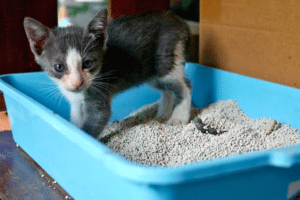 If you’re wondering how to train your kitten or cat to use a litter box, the good news is that most cats take to litter training quickly. Your job is to set up the right environment. West Park Animal Hospital provides veterinary services and resources for pet parents throughout West Park, North Olmstead, Berea, Rocky River, Lakewood, Fairview Park, and Cleveland, Ohio. Learn more about how to litter train a cat, how to get started, and what to do when things don’t go as planned.
Key Takeaways
- Box size, litter type, and placement all affect whether a cat will use a litter box reliably.
- Kittens can start training as early as three to four weeks old.
- Avoiding the litter box is sometimes a sign of a health problem, not a behavior problem.
What Do Cats Need Before Litter Training Works?
Cats are particular about their bathroom environment. The wrong box, litter, or location can be enough to make them look elsewhere. To help promote consistent habits, you’ll need to:
Choose the Right Litter Box
The box should be large enough for your cat to turn around and dig comfortably. Generally, the box should be at least 1.5 times the length of your cat. When choosing a litter box, keep these points in mind:
- Kittens and senior cats need low-entry boxes they can step into.
- Covered boxes appeal to some cats, but they can trap odors. Clean them frequently if you use one.
- In multi-cat households, the rule of thumb is one box per cat, plus one extra.
Avoid picking boxes that are too small. Your cat will find them uncomfortable and may stop using them.
Pick a Suitable Litter
Cats have strong preferences about texture and scent. Unscented, clumping litter is the most popular starting point. From there, avoid heavily scented litter. What smells fresh to you may be overwhelming to your cat. Additionally, cats tend to prefer fine-grain texture to coarse or pellet-style litter. If your cat avoids the box and you’re using a liner, try removing it, as some cats dislike the texture or movement beneath their paws.
If you want to switch litter types, do it gradually by mixing old and new over one to two weeks. When filling the litter box, fill the box to about two or three inches. You want enough for them to dig in without creating a mess.
Determine the Ideal Litter Box Placement
When it comes to using the bathroom, cats care about where they do it. Cats won’t use a box if it feels unsafe or inaccessible. Place litter boxes in quiet, low-traffic areas, away from food and water bowls.
Avoid placing them in closets or enclosed spaces with only one exit. Cats feel trapped. You should also keep them away from appliances that make sudden, loud noises, such as washers, dryers, or air conditioners.
How to Litter Train a Kitten Step by Step
If you have a kitten, you can begin litter training them around three to four weeks of age. Luckily, the training process is simple:
- Place the kitten in the litter box shortly after each meal and after waking from a nap.
- Gently move their front paws in a digging motion to introduce the concept.
- If they use the box, calmly praise them or give them a small treat right away.
- Never punish accidents. Clean the spot thoroughly to eliminate odor and reduce the chance of repeat incidents in the same spot. Use an enzymatic cleaner designed for pet accidents, as regular household cleaners may not completely remove odor that your cat can still detect.
- Keep the kitten in a smaller space at first. If they have too much room to roam before they get into the habit of using a litter box, accidents are more likely.
Most kittens catch on within a few days. Having a consistent routine is what helps reinforce the habit quickly.
How to Retrain an Adult Cat
Adult cats that were previously litter-trained can sometimes regress. This usually happens in response to a change in their environment or routine. A new home, a new pet, a move, or a rearranged living space can disrupt a cat’s sense of security and show up as litter box avoidance. To help an adult cat re-establish the habit:
- Temporarily confine the cat to a smaller space with easy access to the litter box.
- Keep the box clean. Adult cats are often more sensitive to odor than kittens.
- Try using a litter attractant to encourage your cat to use the box while re-establishing the habit.
- If your home has multiple levels, place a litter box on each floor so your cat always has convenient access.
- Minimize disruptions during the retraining period.
- If you’ve recently moved, place a box in the room your cat feels comfortable in.
Patience is important. Don’t assume an adult cat is being difficult. Their behavioral changes usually have a cause, and finding it is more productive than punishing your cat.
When Litter Box Problems May Be Medical
If your cat suddenly stops using the litter box, they may be dealing with a health issue, not a behavior problem. Urinary tract infections, kidney disease, arthritis, diabetes, and gastrointestinal conditions can all affect litter box use. Cats hide their pain well, so watch for these signs:
- Straining or crying when trying to urinate or defecate
- Frequent trips to the box
- Blood in urine or stool
- Urinating in unusual places, such as on cool surfaces like tile or the bathtub
- Sudden changes in bathroom habits
If you’re seeing any of these signs, schedule a veterinary exam. There may be a medical cause that needs to be treated.
Receive Expert Pet Advice and Support at West Park Animal Hospital
Cat litter box training is usually straightforward. However, when your cat’s habits change unexpectedly, it’s important to pay attention. At West Park Animal Hospital, we provide comprehensive veterinary care for cats at every stage of life.
We serve pet parents in West Park, North Olmsted, Berea, Rocky River, Lakewood, Fairview Park, Cleveland, Ohio, and the surrounding communities. Whether you’re welcoming a new kitten or managing an ongoing concern with an adult cat, our compassionate team takes the time to understand the full picture. To learn more about how to litter train a cat or to schedule an appointment, contact us today.
Litterbox Training FAQs
At what age can kittens start using a litter box?
Kittens can generally start using the litter box around three to four weeks of age, as they begin to gain control over their bladder and bowels.
How many litter boxes should I have per cat?
The general rule is to have one litter box per cat, plus one extra.
What type of litter is best for kittens?
For kittens, the best type of litter is soft on paws, low-dust, non-clumping, and safe if ingested.
When is litter box avoidance a medical problem that needs a vet visit?
Litter box avoidance may require a vet visit when the cat has been previously trained to use it and suddenly stops, as this is often due to an underlying medical problem.
PET RESOURCES
Thank you for your Cleveland Hot List votes. We were voted #1 again for the 5th year in a row! We are happy to continue to serve the community and appreciate your support.


