


Lyme Disease Prevention
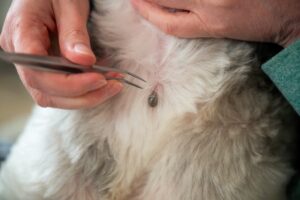 Lyme disease is one of the most common tick-borne illnesses affecting both pets and humans in the United States. With the right prevention and early veterinary care, you can protect your pet and help them stay healthy year-round. At West Park Animal Hospital, our caring veterinary team provides resources and treatment in West Park, North Olmsted, Berea, Rocky River, Lakewood, Fairview Park, Cleveland, and the surrounding area to help your pets live long and happy lives.
What Is Lyme Disease?
Lyme disease is a zoonotic disease, meaning it originates in animals and can spread to humans through tick bites. It spreads when an infected tick attaches to a pet or human skin and feeds for 36 to 48 hours. Caused by the bacterium Borrelia burgdorferi, it spreads through the bite of infected black-legged ticks, also known as deer ticks. While dogs are most commonly diagnosed, cats can also be exposed. Any pets that go outside can carry ticks into your home and expose other pets or family members, making awareness and prevention essential.
Lyme disease is most common in the Northeast, Upper Midwest, and Pacific Coast regions. However, cases have been reported across all 50 states. Any pet that spends time outdoors in wooded areas, tall grass, or your backyard is at risk.
One of the challenges of Lyme disease is that symptoms don’t always appear right away. In dogs, signs can develop weeks or even months after a tick bite. When Lyme disease symptoms in dogs appear, they often include:
- Lameness or joint stiffness that may shift from leg to leg
- Swollen joints or pain when walking
- Fever and lethargy
- Loss of appetite
- Swollen lymph nodes
- Decreased energy or reluctance to move
In more serious cases, Lyme disease can affect the kidneys, heart, or nervous system. While Lyme disease is rare in cats, felines typically show few to no symptoms, but when present, they can include the same signs that canines experience. If your pet has been exposed to ticks and you notice any of these signs, contact us as soon as possible. Early treatment helps improve your pet’s life when they’re living with Lyme disease.
How to Properly Remove Ticks from Your Pet’s Skin
It’s important to remove ticks properly if they are found on your pet’s skin. You should be prepared with the following items:
- Tick removal tool or needle-nose tweezers
- Isopropyl alcohol
- A sealed container or sealable plastic bag
- Gloves
- Antiseptic such as chlorhexidine or betadine
To start, part the fur around where the tick is attached. Using your tick removal tool or needle-nose tweezers, firmly grasp the tick as close to the skin as you can get. Pull the tick straight out with steady pressure – no twisting or yanking. If any fragments of the tick remain embedded, do not try to pull them out – instead, bring your pet in to see us right away.
Once the tick is removed, place it in the sealed container or bag with isopropyl alcohol. The alcohol ensures the tick is dead and cannot continue to feed on hosts, and it also preserves the tick for future testing. Next, clean the bite area on your pet’s skin with your antiseptic product, following the instructions on the label. Don’t forget to clean your tick removal tool or tweezers with alcohol and thoroughly wash your hands afterward.
Make sure you remain calm throughout the process, as your pet may react negatively to your stress and make it harder for you to remove the tick. If you are not comfortable removing the tick yourself or want to ensure it is done correctly, West Park Animal Hospital can remove the tick in our office.
Treatment and Management of Lyme Disease in Dogs and Cats
If you suspect your dog or cat has been bitten by a tick or is showing symptoms of Lyme disease, the first step is a thorough exam with our skilled veterinarians. We will assess your pet from head to tail, review their history, learn how often they’re outside, and discuss any recent tick exposure. Then, we’ll start the diagnostic process.
Comprehensive Diagnostics
To confirm your pet’s diagnosis, we rely on blood testing. We have a fully equipped in-house laboratory, so we get the results quickly. For dogs, our diagnostic process may include:
- 4DX+ blood test: This screens for heartworm, Lyme disease, and other tick-borne illnesses like Ehrlichiosis and Anaplasmosis.
- Complete blood count (CBC): This test evaluates red blood cells, white blood cells, and platelets. It gives us a clearer picture of your pet’s overall health.
- Chemistry panels: These allow us to check kidney and liver function, which is important because advanced Lyme disease can lead to serious kidney complications in dogs.
- Urinalysis: This helps assess kidney health and screen for signs of Lyme nephritis, a potentially life-threatening complication in some dogs.
Because our laboratory is on-site, we can start your pet on the right treatment plan without delay.
Personalized Treatment Plans
Every pet is unique, and yours is important to you. That’s why we create a Lyme disease treatment plan based on your pet’s health and lifestyle. However, there are some standard courses of treatment. Most treatments start with a four-week course of antibiotics, often doxycycline, and pets often respond well and begin to improve within a few days. We may also prescribe anti-inflammatory drugs or pain medications to help keep your pet comfortable as they recover.
Prevention Is the Best Protection
Preventing tick bites remains the most effective way to protect both dogs and cats from Lyme disease. At West Park Animal Hospital, we recommend several strategies to owners to help keep our furry patients safe and healthy:
- Lyme vaccine for dogs: The Lyme disease vaccine is available for dogs and recommended for those in tick-borne areas, like Ohio, or those who spend time outdoors. Our team can help you decide if it’s a good fit for your dog. There are no available Lyme vaccines for cats.
- Year-round parasite prevention: Topical treatments and oral preventatives are great for both cats and dogs. We offer options through our pharmacy to help you get started.
- Regular tick checks: After you spend time outdoors, check your furry family member for ticks, especially around the ears, neck, between the toes, and under the collar. If you find a feeding tick, contact our team for guidance on removal and next steps.
- Annual wellness exams: Routine checkups allow us to screen for tick-borne illnesses before symptoms appear, which makes treatment more effective. If your pet has had a tick removed, we recommend follow-up blood testing about six weeks later.
Ticks are active in every season in Ohio, not just summer. Taking steps consistently throughout the year to prevent tick bites is the best way to protect your pets and your household from the risks of Lyme disease.
Protect Your Pet from Lyme Disease with West Park Animal Hospital
Whether you’re worried about a recent tick exposure, want to start your dog or cat on a preventative plan, or need to schedule a screening for Lyme disease in your dog or cat, our compassionate team is here to help. West Park Animal Hospital serves families in West Park, Cleveland, Lakewood, Fairview Park, Rocky River, North Olmsted, Berea, and surrounding communities across Ohio with expert pet care. Contact us today to make an appointment, and we’ll be here for you and your pet every step of the way.
Frequently Asked Questions About Lyme Disease in Dogs and Cats
What are the first signs of Lyme disease in dogs?
Symptoms of Lyme disease in dogs don’t often appear right after the tick bite. However, when they do appear, they often include:
- Lameness or joint stiffness that can shift from leg to leg
- Swollen joints
- Pain when walking or reluctance to move
- Fever
- Lethargy
- Loss of appetite
- Swollen lymph nodes
- Decreased energy
Can dogs and cats get Lyme disease from ticks in Ohio?
Yes, dogs and cats can absolutely get Lyme disease from ticks in Ohio, especially in grassy or wooded areas.
How soon after a tick bite can a dog show symptoms?
It depends on the disease it causes. For Lyme disease from a tick bite, symptoms often do not appear until two to five months after the bite.
How do veterinarians test dogs for Lyme disease?
To diagnose Lyme disease in dogs, veterinarians use blood testing, such as the 4DX+ blood test, to screen for heartworm, Lyme disease, and other tick-borne illnesses. Supplemental blood and urine tests are also often used to determine any side effects that Lyme disease may cause.
Is Lyme disease in dogs and cats treatable?
Yes, Lyme disease in dogs and cats is typically treatable if it is caught early. However, the bacteria aren’t always completely eliminated.
PET RESOURCES
Thank you for your Cleveland Hot List votes. We were voted #1 again for the 5th year in a row! We are happy to continue to serve the community and appreciate your support.
TOUR OUR HOSPITAL
MEET OUR STAFF


