


Dangerously High Levels: Do You Have Safe Pet Toys at Home?
 Pets are a part of the family, so it only makes sense that we exercise scrutiny and caution before giving them things that might be dangerous. When it comes to supplying fun chew or chase toys, we’re typically drawn in by the bright colors, fun sounds, and neat designs of pet toys. Sometimes, we’re also attracted by the price. Unfortunately, there really aren’t any standards in place for safe pet toys, and there could be excessive levels of harmful chemicals affecting our best friends.
Searching for Guidelines
When most pets chew, lick, slobber on, bite, tug, and retrieve toys between the jaws, it doesn’t make sense that these objects aren’t closely controlled or regulated by the Food and Drug Administration. Luckily, the American Pet Products Association (APPA) does pay close attention to the importance of safe pet toys. Retailers like PetSmart also work toward supplying products that pass certain chemical standards.
At the end of the day, however, it’s up to each pet owner to find and offer the safest products for their pet. When you know what’s at stake, this process is much easier.
Increased Exposure
The baseline for lead levels in pet toys in the U.S. and Europe is 300 parts per millions (ppm). As we mentioned, when an animal plays heavily with a commercially sold product, the chances increase of exposure to formaldehyde, dyes, lead, arsenic, mercury, and other heavy metals like barium, cadmium, chromium, and selenium.
Health problems vary, but permanent neurological damage is often associated with exposure. Vomiting, weight loss, seizures, and anemia are also possible.
Bad Vinyl
Commonly known as vinyl, polyvinyl chloride (PVC) is extremely prevalent in pet toys. Bisphenol-A (BPA) and phthalates are added to vinyl for different reasons, and they’re both highly toxic. They leach into skin, living tissue, air, water, and anything else in the environment. The general rule is that if a product has a strong chemical smell, the more dangerous additives it contains.
General Rules
When faced with the choice of buying discount store pet toys, consider that safe pet toys cost more because they’re of higher quality.
When used properly, safe pet toys add a great deal of activity and interest to your pet’s life. Please do not forego the purchase of toys; just be sure they meet high standards of safety. Also, the following guidelines apply:
- Do not leave toys out when you’re away from home or asleep.
- Safe pet toys must also include those that do not present choking risks.
- Toys with a single air hole can cause your pet’s tongue to become stuck.
- Watch how your pet chews; take toys away that shred to pieces.
- If the pet toy smells like chemicals, don’t buy it!
- Even toys made of non-synthetic fibers can present choking hazards or GI blockages.
Safe Pet Toys
It may seem like safe pet toys don’t exist, but they do! Please give us a call with any questions; we’re happy to direct you to the right products and nearby or online retailers. When it comes to your pet’s overall health and safety, we’re always here for you!
The post Dangerously High Levels: Do You Have Safe Pet Toys at Home? appeared first on West Park Animal Hospital Blog.

 Looking at old holiday photographs, it’s interesting to see the decorative choices that were made. Bright silver-looking artificial trees, aerosol-spray artificial snow, and mounds of tinsel all contribute to some warm and fuzzy memories, but luckily, these were mostly fads from a different era.
 In previous Thanksgiving blogs, we have focused on the importance of
 For centuries dogs have been our allies and companions. Since their domestication, they’ve used their innate skills and traits to work for us, guard us, and provide companionship. Because dogs have adapted to living among us so successfully, it’s no surprise to know that dogs have also been instrumental in times of war.


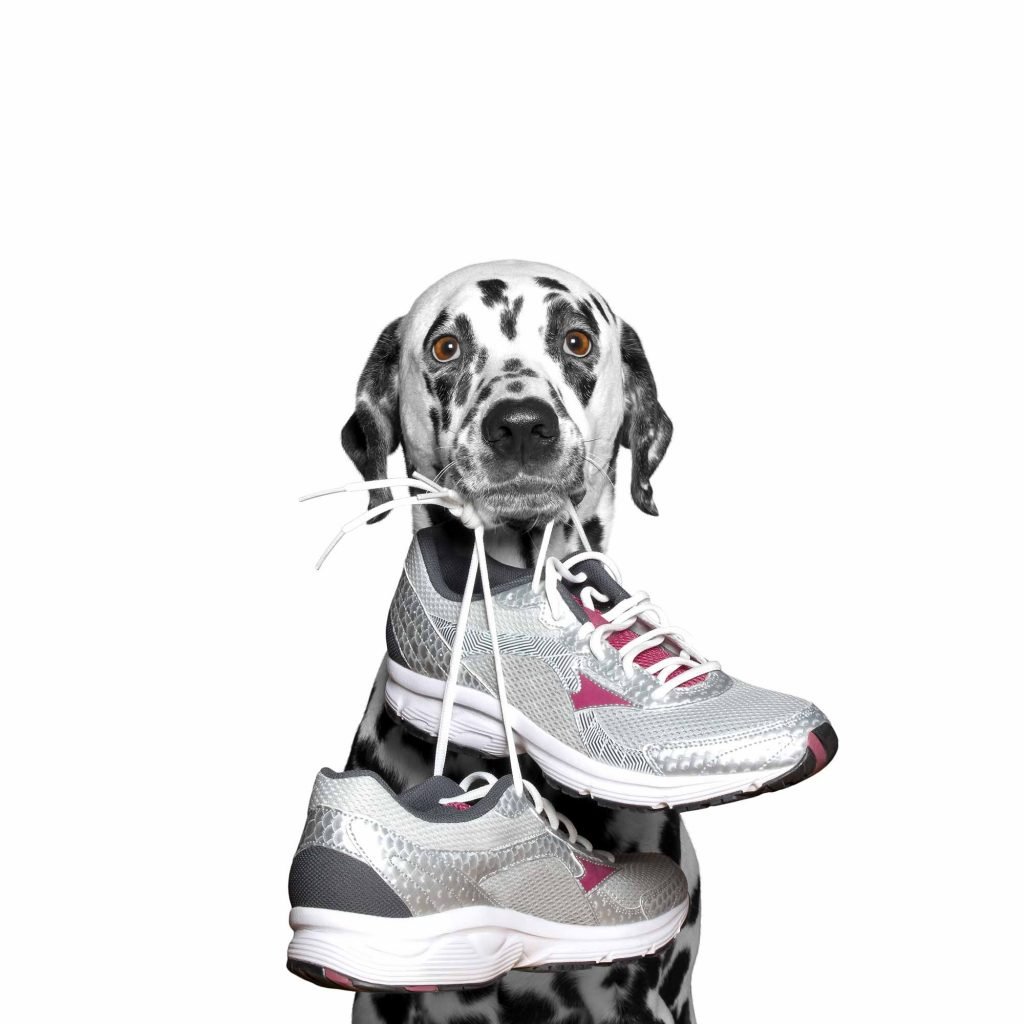 Have you ever lifted up your couch only to find a giant collection of bones, treats, or toys that dates back many, many months? What about shining a light on the dark corner in the back of your closet to reveal a veritable mini-mountain of kibble? You’re not alone. In fact, many people have a hoarding dog, but they either haven’t discovered it yet or they simply don’t know what to do. It may seem like we’re making up this wack-a-doo dog behavior, but this real canine conduct has possibly sound logic behind it.
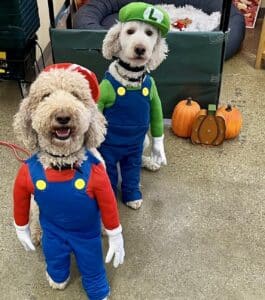 Halloween is just around the corner, along with all of the festivities, costumes, Jack-o-lanterns, and bags of sugary treats. This nostalgic holiday is enjoyable for young and old, but can sometimes be quite frightening to our pets.
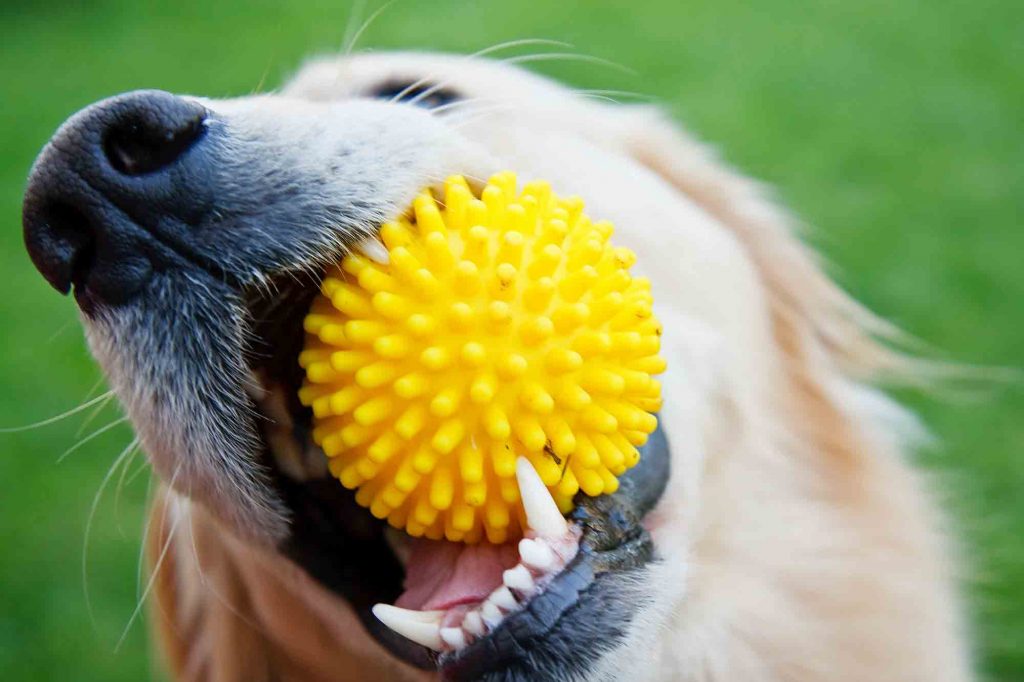 There’s probably not a dog out there who isn’t interested in some kind of toy, be that a ball, a Frisbee, or a peanut butter-filled Kong treat (Xylitol-free, of course!).
 Some days you have to wonder if certain syndromes and ailments are manufactured by the media and pharmaceutical companies. From the start, products such as mouthwash can be marketed in a way to make us think that a little morning breath is an actual medical problem.
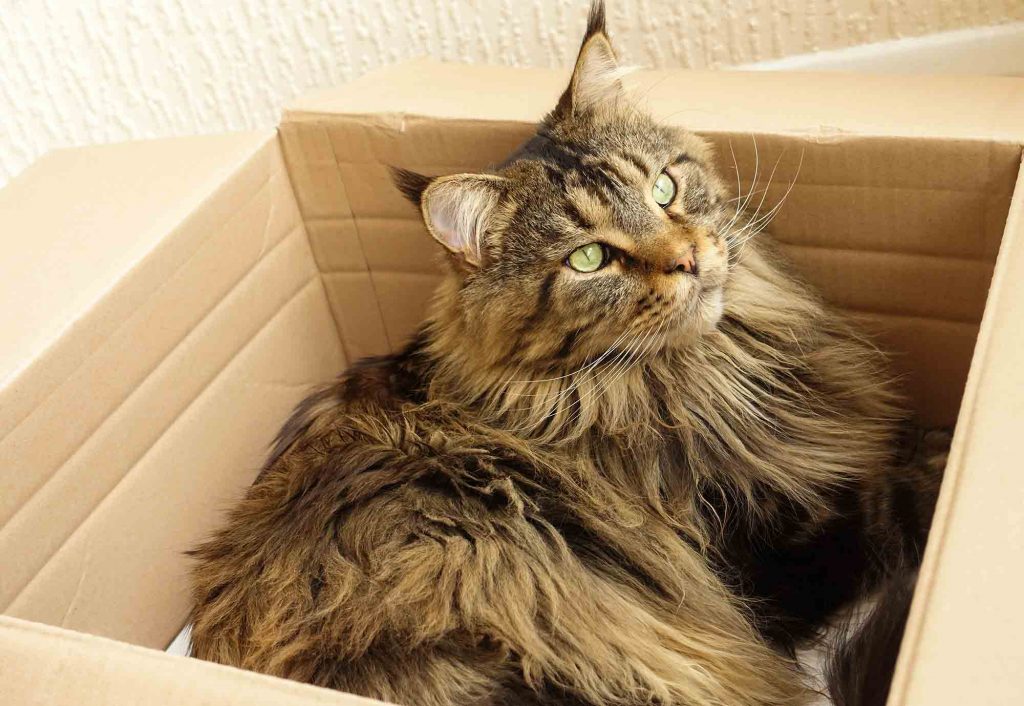 Friendly, furry, and intelligent are general attributes of many cat breeds, but Maine Coon cats are especially friendly, furry, and intelligent. In fact, they’re quite adaptable and seem to get along with everyone (kids, dogs, and other cats included). They also have one of the longest and most beautiful coats out there and even enjoy playing fetch and walking on a leash! For these reasons and more, Maine Coon cats are among the top three cats registered by the Cat Fanciers Association.